25 November 2025 · 9 min read
Diamond Shapes Guide: Round, Oval, Princess, Emerald, Pear and Cushion
25 November 2025 · 9 min read
The shape of a diamond is the first thing anyone notices about a ring. It defines the entire character of the piece — the way it catches light, how large it appears on the finger, and the personality it projects. Six shapes account for the vast majority of engagement rings sold in New Zealand. Each has its own visual signature and its own price-per-carat behaviour. This guide walks through all six so you can walk into a showroom knowing exactly what you are looking at.
Round Brilliant
The round brilliant is the most popular diamond shape in the world, and around two-thirds of engagement rings sold in New Zealand feature one. It has 57 or 58 facets engineered specifically to maximise light return, which means more sparkle than any other shape — a round diamond simply throws more fire than the alternatives.
Because round diamonds are cut for maximum brilliance, they retain less of the original rough stone than other shapes. That makes them the most expensive shape per carat — typically 20–30% more than an equivalent oval or cushion.
Round at a glance
✓ Most sparkle of any shape
✓ Universally flattering — works on every finger
✓ Easiest to resell or upgrade
— Most expensive shape per carat
Oval
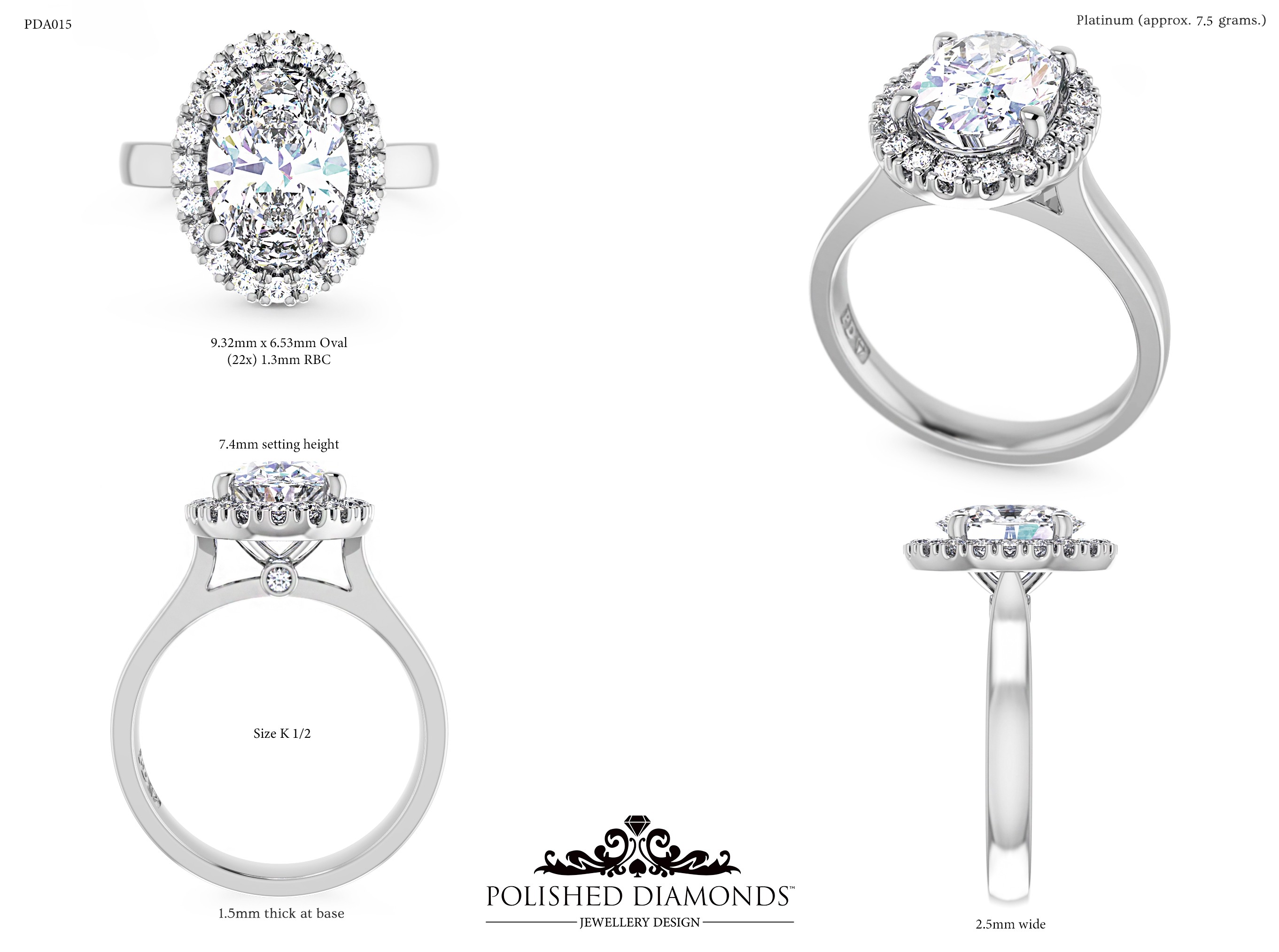
The oval is the round brilliant's elegant cousin. It uses the same brilliant facet pattern, so it sparkles almost as intensely, but its elongated shape makes it appear up to 10% larger than a round diamond of the same carat weight. It also flatters the finger by elongating it.
Oval has been one of the fastest-growing shapes in New Zealand over the past five years, partly thanks to high-profile celebrity engagements. It is a strong choice if you want round-level brilliance with a more distinctive silhouette and better value per visible carat.
Oval at a glance
✓ Looks larger than round at the same carat weight
✓ Brilliant sparkle, slimming on the finger
✓ Better value per carat than round
— Watch for a “bow-tie” dark band in poorly cut stones
Princess Cut
The princess cut is a square or near-square shape with sharply pointed corners and brilliant-style faceting. It came into its own in the 1980s and has remained a quietly popular modern alternative to the round brilliant ever since.
Princess cuts deliver a lot of sparkle — close to round levels — and offer better value per carat because more of the rough stone is preserved during cutting. The geometric, modern silhouette suits anyone who likes clean lines.
Princess at a glance
✓ Modern, geometric silhouette
✓ Excellent sparkle
✓ Better value per carat than round
— Pointed corners need protective settings
Emerald Cut
The emerald cut is a rectangular “step cut” — long, parallel facets stepped down from a flat top, like looking through a stairwell. It does not sparkle the way brilliant cuts do. Instead, it produces broad, mirror-like flashes of light known as the “hall of mirrors” effect.
Emerald cuts are the choice of buyers who prefer sophistication over sparkle. The shape has a distinctly art deco character, ages beautifully, and is one of the most forgiving on carat — it shows weight along its length, so it looks larger than a round of equal weight. The trade-off: clarity matters more, because the open facets give nowhere for inclusions to hide.
Emerald at a glance
✓ Sophisticated, art deco character
✓ Looks larger than round at equal carat
✓ Excellent value per carat
— Inclusions are more visible — go VS2 or better
— Less sparkle than brilliant cuts
Pear Shape
The pear shape — also called a teardrop — combines a rounded end with a pointed tip. Worn with the point facing the fingernail, it elongates the finger more than any other shape and creates a uniquely feminine silhouette.
Pear shapes have a brilliant facet pattern, so they sparkle beautifully, and they deliver some of the best apparent-size value of any shape. The pointed tip is vulnerable, so a setting with a V-prong to protect that point is essential.
Pear at a glance
✓ Most finger-elongating shape
✓ Distinctive, romantic silhouette
✓ Strong value per visible carat
— Pointed tip needs a V-prong setting
— Watch for bow-tie shadowing in cheap cuts
Cushion Cut
The cushion cut is a square or rectangular shape with softly rounded corners — sometimes called a pillow cut. It has been around for over 200 years and has the warm, romantic glow of antique jewellery, but with modern faceting that gives it real fire.
Cushions look gorgeous as solitaires, but they truly come alive in halo settings. The combination of a soft cushion centre with a halo of small round diamonds is one of the most popular engagement ring designs in New Zealand right now.
Cushion at a glance
✓ Romantic, antique character with modern fire
✓ Stunning in halo settings
✓ Better value per carat than round
— Slightly less brilliance than round
Side-by-Side Comparison
ShapeSparkleValue per caratBest forRoundMaximumLowestClassic, traditionalOvalVery highGoodLarger look, slim fingersPrincessHighGoodModern, geometricEmeraldSubtle / mirror flashExcellentArt deco, sophisticationPearHighExcellentRomantic, finger-flatteringCushionHighVery goodVintage glow, halo settings
How to Choose the Right Shape
A few questions worth asking yourself before deciding:
What does she already wear? Look at the jewellery she chooses for herself. Clean lines and modern pieces point to princess or emerald. Soft, vintage pieces point to cushion or oval.
How important is sparkle vs character? If sparkle is the priority, round, oval, or princess. If character and sophistication matter more, emerald or cushion.
How does her hand look? Elongated shapes (oval, pear, emerald) suit shorter fingers; rounder shapes (round, cushion) work beautifully on long fingers.
What is your budget per visible carat? Oval, pear and emerald give the most apparent size for the money. Round costs the most.
If sparkle and character pull you in different directions, the answer is often a halo setting — it adds significant brilliance to non-round shapes without changing their personality.
See every shape in person
Photographs only get you so far. Visit one of our showrooms in Auckland, Wellington or Christchurch to compare diamond shapes in real lighting, on the hand.