15 April 2026 · 7 min read
Platinum vs White Gold vs Yellow Gold — Which Metal Should You Choose?
15 April 2026 · 7 min read
The diamond in an engagement ring gets most of the attention, but the metal you choose for the band is just as important. It affects how the ring looks on the hand, how it wears over time, and how much maintenance it will need over the decades. This guide breaks down the four main options available in New Zealand — platinum, white gold, yellow gold, and rose gold — so you can choose with confidence.
Platinum
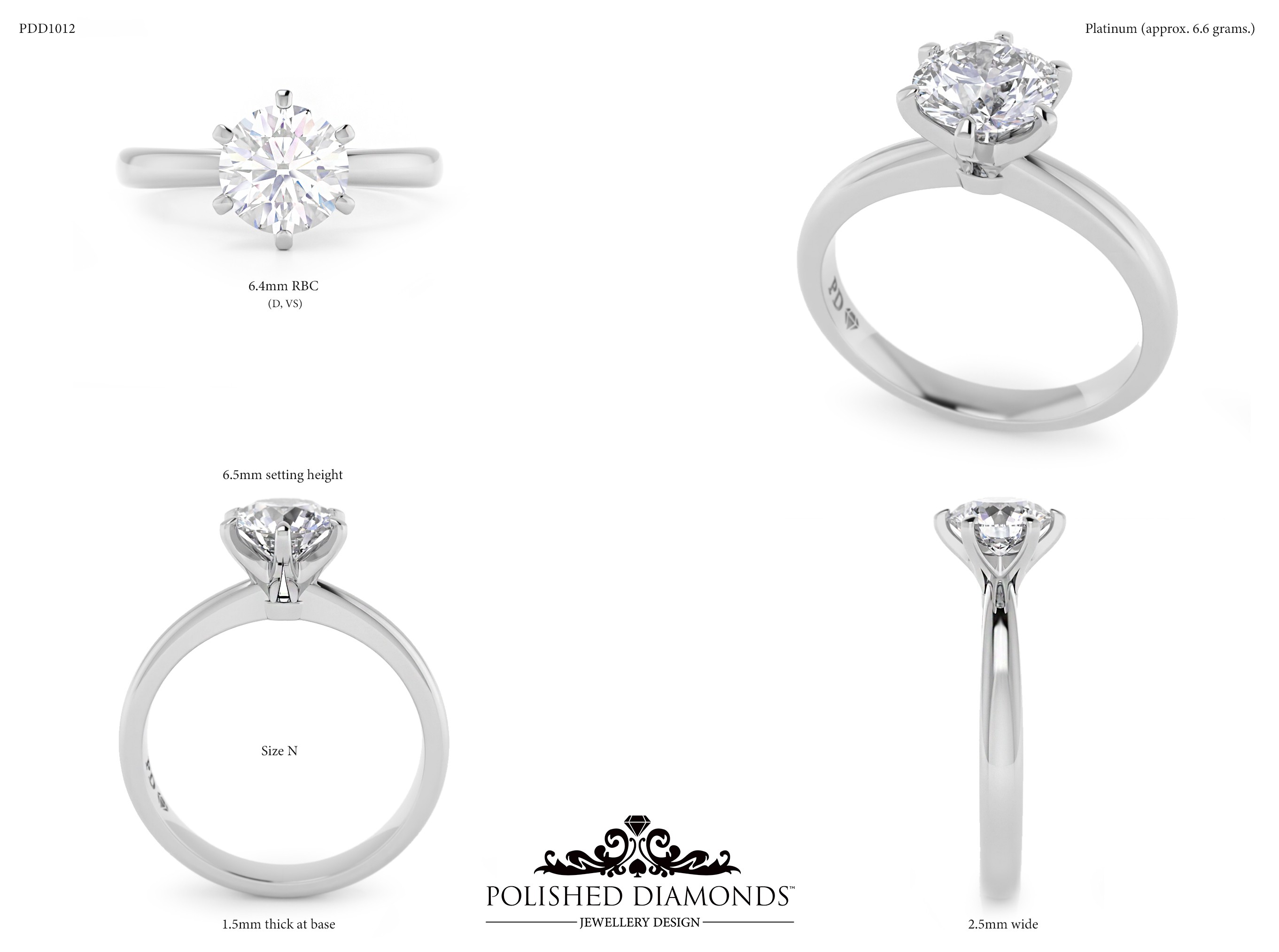
Platinum is widely regarded as the premium choice for fine jewellery, and for good reason. It is the densest precious metal used in rings, naturally white in colour (it does not require plating to achieve its cool, silvery appearance), and extraordinarily durable. When platinum is scratched, the metal is displaced rather than lost — a jeweller can polish it back to pristine condition indefinitely.
Platinum is also hypoallergenic, which makes it ideal for anyone with sensitive skin. Its density gives rings a satisfying, substantial weight — many wearers describe platinum rings as feeling more “serious” than gold alternatives.
The catch: Platinum is significantly more expensive than gold. In New Zealand, expect to pay a meaningful premium for a platinum setting compared to the equivalent in 18ct white gold — worth factoring into your overall ring budget. It also develops a patina — a subtle satiny surface — over time rather than staying mirror-bright. Many people love this look; some prefer the ongoing brightness of white gold.
Platinum at a glance
✓ Naturally white — no plating needed
✓ Most durable precious metal
✓ Hypoallergenic
✓ Dense and weighty feel
✓ Metal is displaced not lost when scratched
— Higher cost than gold
— Develops a natural patina over time
White Gold
White gold is yellow gold alloyed with white metals (typically palladium or nickel) and then plated with rhodium to give it a bright, mirror-white surface. The result looks similar to platinum at first glance but comes at a significantly lower price point. For many New Zealand buyers, 18ct white gold is the sweet spot — strong enough for daily wear, beautiful enough for a statement ring, and meaningfully more affordable than platinum.
The main consideration with white gold is the rhodium plating. Over time — typically one to three years depending on wear — the plating will wear through in areas of contact, revealing a slightly warmer (yellowish) tone underneath. Re-plating is straightforward and relatively inexpensive, but it is an ongoing maintenance task that platinum does not require.
9ct vs 18ct: In New Zealand, both are available. 18ct white gold contains 75% pure gold and is more lustrous and hypoallergenic. 9ct contains 37.5% pure gold and is harder and more scratch-resistant but can cause skin reactions in some people. For a fine engagement ring, 18ct is the standard choice.
White gold at a glance
✓ Contemporary, silvery appearance
✓ More affordable than platinum
✓ Bright white when freshly plated
✓ Widely available in NZ
— Requires re-plating every 1–3 years
— Can cause reactions in nickel-sensitive skin (9ct alloys)
Yellow Gold
Yellow gold is the most traditional metal for fine jewellery, and its warm, rich tone has endured across centuries because it genuinely suits most skin tones beautifully. After years of being overshadowed by white metals, yellow gold has made a strong comeback in New Zealand and internationally — particularly in engagement rings.
In New Zealand, 18ct yellow gold is the standard for quality engagement rings and wedding bands. It contains 75% pure gold, giving it a rich colour, good resistance to tarnishing, and a comfortable weight. 9ct yellow gold is harder and less expensive, but the colour is noticeably less warm.
Yellow gold requires the least maintenance of all the metal options. It does not need plating, does not show scratches as obviously as white metals, and develops a gentle patina over decades that many people find beautiful.
Yellow gold at a glance
✓ Classic, warm appearance
✓ No plating needed — lowest maintenance
✓ Suits a wide range of skin tones
✓ Strong resale and craft tradition
— Not everyone suits warm-toned metal
— Less fashionable for contemporary minimalist styles
Rose Gold
Rose gold gets its distinctive blush-pink colour from a gold and copper alloy. It has become one of the most sought-after metals for engagement rings in New Zealand over the past decade — particularly for vintage-inspired designs and anyone looking for a less conventional alternative to white or yellow gold.
Like yellow gold, rose gold does not require plating. Its colour is intrinsic to the alloy. The copper content makes it slightly harder than 18ct yellow or white gold, which adds durability. Most people find it flattering on a wide range of skin tones, and it pairs particularly well with warm-toned diamonds (G–J colour range) and vintage-style settings.
Rose gold at a glance
✓ Distinctive, romantic appearance
✓ No plating needed
✓ Slightly harder than yellow or white gold
✓ Flattering on most skin tones
— Copper content means it cannot be made allergy-free for all
— Less conventional — not everyone's preference
Side-by-Side Comparison
PlatinumWhite GoldYellow GoldRose GoldRelative costHighestMidMidMidMaintenanceLow (polishing)Moderate (re-plating)LowLowHypoallergenicYes18ct: usually18ct: usuallyNo (copper)Plating neededNoYes (rhodium)NoNoDurabilityExcellentVery goodVery goodVery good
Which Metal Suits Which Ring Style?
Metal and ring style interact in interesting ways — and metal also pairs differently with each diamond shape (see our diamond shapes guide). A few pairings worth keeping in mind:
Platinum or white gold with a solitaire — the cool, neutral tone lets a high-colour (D–F) diamond read as brilliantly white.View solitaire rings.
Rose gold with a halo — the warm metal plays beautifully against the sparkle of a halo setting, particularly in vintage-inspired designs.View halo rings.
Yellow gold with a trilogy — yellow gold's warmth adds depth to a three-stone design and connects it to a long tradition of meaningful jewellery.View trilogy rings.
Platinum for wedding bands — for a ring that will be worn every day for decades, platinum's durability is hard to beat.View wedding rings.
These are guidelines, not rules. If you already know which style you want, our team can show you the same ring in multiple metals side by side in our showrooms — which is the only reliable way to know how each metal looks on your specific hand. See also our guide on how to choose an engagement ring in New Zealand for broader guidance on the decision.
See all four metals in person
Visit one of our showrooms in Auckland, Wellington, or Christchurch and compare platinum, white gold, yellow gold, and rose gold side by side.